Many transportation offices run lean, with small teams responsible for outcomes that affect thousands of families every single day. This guide pulls together the funding sources, training programs, compliance resources, and technology tools that help districts operate safer, more efficient transportation programs — without reinventing the wheel.
Key Takeaways
- Federal and state funding, including Medicaid reimbursement, can offset transportation costs for eligible districts
- State DOTs, NAPT, and local transit authorities provide driver and attendant training districts can use
- GPS tracking and route optimization cut costs while improving safety and parent communication
- FERPA compliance is essential when districts adopt GPS and ridership technology
Funding and Grant Resources for School Transportation
Federal Grant Programs
The EPA's Clean School Bus Program was authorized for $5 billion between FY2022 and FY2026 to help districts purchase electric and low-emission buses. As of mid-2026, the program is between rounds: EPA's request-for-information period closed in April 2026, and a revamped grant opportunity is expected later this year.
Past rounds awarded close to $1 billion each in 2022 and 2023. Monitor the EPA's Clean School Bus Program page directly rather than assuming a specific application window is open.
State Funding Formulas
Every state handles transportation reimbursement differently. California reimburses eligible LEAs up to 60% of reported transportation expenditures through its Home-to-School Transportation Reimbursement program. Colorado partially reimburses districts for eligible pupil-route costs via CDE-40 claims submitted by September 15 each year.
Check your own state department of education for the formula that applies to you. These rules vary widely and change often.
Medicaid and IDEA-Related Transportation
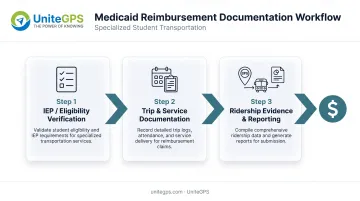
Districts transporting students with disabilities under IDEA may qualify for Medicaid reimbursement, but the rules are stricter than many assume. CMS defines specialized transportation as trips to a medically necessary service listed in a student's IEP, using a vehicle or equipment not generally available. A bus aide alone doesn't automatically qualify a ride.
Documentation requirements vary by state, but generally you need:
- The student's eligibility/IEP connection
- The covered service and date
- Evidence the specialized trip actually happened
This is where accurate ridership records matter. UniteGPS's ridership tracking captures timestamped boarding and exit events tied to each student, categorizes mileage, and compiles qualifying IEP rides into reimbursement-ready reports that match what Medicaid billing requires.
Safety Equipment Grants
Nonprofit and safety-organization grants occasionally fund bus safety upgrades, such as NAPT's past Don Carnahan Memorial Grant program. For current opportunities, SchoolSafety.gov's Grants Finder tool is a reliable starting point.
Driver and Staff Training Resources
CDL and Bus Driver Certification
First-time CDL applicants pursuing passenger (P) or school-bus (S) endorsements must complete Entry-Level Driver Training through an FMCSA-registered provider. States layer on additional requirements — Pennsylvania, for example, requires 10 hours of refresher training every four years, including 3 hours in-bus.
Check your state's Department of Transportation for the specific licensing checklist.
Attendant and Monitor Training
Bus monitors who support students with disabilities typically train through state education agencies or local transit authorities. Programs generally cover:
- Safe securement of mobility devices
- Behavior management techniques
- Emergency evacuation procedures
- CPR and first aid certification
Ongoing Professional Development
NAPT's Professional Development Series offers courses ranging from 4 to 8 hours on routing, legal fundamentals, emergency planning, and transporting students with disabilities.
School Bus Safety Company offers a similar catalog focused on driver training and age-specific safety programs.
Even with solid training options available, many districts still struggle to keep driver seats filled.
The Driver Shortage Reality
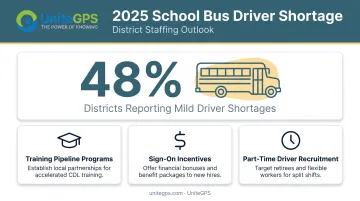
A 2025 School Bus Fleet survey found 48% of responding districts reported a mild driver shortage, with additional respondents reporting more serious gaps. This isn't a nationally representative count, but it confirms shortages remain widespread. Training pipeline programs, sign-on incentives, and part-time driver recruitment are the most common responses districts report using to fill the gap.
Compliance and Safety Regulation Resources
Federal Safety Standards
New school buses must meet Federal Motor Vehicle Safety Standards, including:
- FMVSS 131 — pedestrian safety devices
- FMVSS 220 — rollover protection
- FMVSS 222 — passenger seating and crash protection
These standards govern manufacturing, while states regulate day-to-day bus operations. NHTSA's Highway Safety Program Guideline 17 offers additional (non-binding) recommendations on driver qualification, maintenance, and routing.
FERPA and Student Data
GPS and ridership systems collect data that counts as protected education records under FERPA. Vendors handling this data must:
- Operate as a "school official" performing an institutional function
- Stay under the district's control
- Meet annual-notice requirements
- Follow strict use and redisclosure limits
UniteGPS addresses these requirements with signed Data Processing Agreements for each district. Student data is encrypted in transit and at rest, access is limited to transportation use, and districts retain full ownership plus export and deletion rights.
State Inspection and Licensing
Annual inspection schedules, recertification deadlines, and licensing rules vary by state. State pupil transportation associations, such as the Michigan Association for Pupil Transportation, often publish updated compliance checklists worth bookmarking.
Technology Tools That Support Modern Transportation Departments
Transportation departments now lean on software for work that once filled entire staff days: building routes, tracking buses, and keeping enrollment data current.
Route optimization software reduces total miles, fuel costs, and driver hours by identifying shorter routes and balancing loads. A well-documented case: Boston Public Schools cut its route count by 34 and reduced buses on the road by 12% after implementing routing software, according to K-12 Dive's reporting. Results vary by district, so pilot testing with your own baseline numbers matters more than any published benchmark.
Real-time GPS tracking shows parents live bus location and expected arrival times, cutting down on the "where's the bus?" calls that eat up transportation office time. More districts add rider-tracking and parent apps each year as fleets modernize.
SIS integration ends the manual re-entry cycle. Tools sync directly with systems like PowerSchool, Skyward, and Infinite Campus, so routing and ridership data stay aligned with official enrollment records when students change schools or addresses.
An Integrated Platform
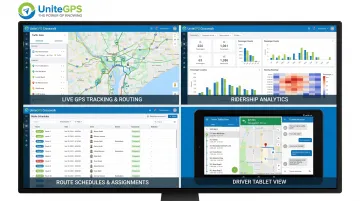
UniteGPS's Crosswalk platform combines routing, GPS tracking, ridership tracking, and driver tablet tools into one connected system rather than separate products:
- Routing pulls enrollment data via SIS sync, assigns stops, and recalculates schedules when stops change
- GPS tracking updates bus location every 5 seconds, with speeding, idle, and geofence alerts
- Ridership tracking records boarding via barcode scan for parent notifications and Medicaid documentation
- Tablet tools give drivers turn-by-turn navigation plus digital vehicle inspections
Districts can try the full setup through a 90-day free trial with routes built at no cost and no credit card required, plus unlimited live support with no ticket queue.
GTFS for Transit Partnerships
For districts coordinating with public transit agencies, GTFS (General Transit Feed Specification) integration keeps schedule data compatible with Google Maps and rider apps. This matters when districts issue transit passes or share routes with local agencies — it's a separate use case from private yellow-bus routing.
Resources for Parents and Families
Real-Time Visibility Apps
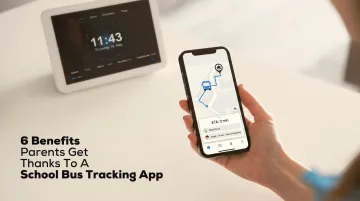
A 2021 industry poll found 75% of parents wanted better real-time visibility into their child's bus journey, hardly surprising to anyone who's waited at a stop in freezing weather with no information. Parent apps solve this by showing live bus location, stop-level arrival estimates, and ride history.
Finding District Policies
Most districts publish transportation policies, eligibility rules, and contact information on their transportation department website. Look for:
- Eligibility distance requirements
- Bus stop safety guidelines
- Late-bus and delay procedures
- Direct contact numbers for the transportation office
Clear, accessible channels help families know what to expect and who to call, and they also cut the call volume transportation staff handle during peak hours.
Frequently Asked Questions
Where can I get free school bus attendant training in New York City?
NYC attendant training runs through the Department of Education's Office of Pupil Transportation and partner bus vendors. Programs cover a 30-hour basic course plus CPR/first aid; confirm fees and schedules with OPT or your vendor.
How do school districts pay for new buses and transportation equipment?
Funding typically comes from a mix of state formula funding, federal grants like the EPA Clean School Bus Program, and local budget allocations. Availability and amounts vary significantly by state and by grant cycle.
What technology do schools use to track school buses in real time?
GPS tracking platforms with parent-facing apps, like UniteGPS's Crosswalk, provide live bus location updates every few seconds along with automated delay and route-change notifications.
Are schools required to track which students ride the bus each day?
Not universally mandated, but ridership tracking is increasingly common for safety documentation, Medicaid billing support, and incident investigation purposes.
How can small transit agencies access the same transportation technology as large districts?
Scalable platforms let smaller agencies start with basic routing during a free trial period, then upgrade to full GPS and tablet suites as budgets and needs grow. You don't need an enterprise system upfront.
What should parents do if their child's school bus is consistently late?
Contact the district transportation office directly. Districts using real-time tracking apps can often diagnose recurring delays from traffic patterns, route inefficiencies, or driver assignments faster than those relying on manual tracking.