Between 2015 and 2024, NHTSA recorded 962 fatal school-bus-related crashes, resulting in 1,069 deaths across all parties involved — an average of 107 deaths per year, according to NHTSA data. That figure includes occupants of other vehicles and pedestrians, not just students on the bus.
Understanding what actually causes these crashes helps parents, districts, and transportation directors act before an incident happens, not just after. This article breaks down the most common causes, the warning signs that precede them, and practical prevention strategies — including how tracking technology is changing the game.
Key Takeaways
- Human error from bus drivers and other motorists causes most school bus accidents nationwide
- Weather, mechanical failure, and blind spots repeatedly raise crash risk on school routes
- Driver training, maintenance schedules, and real-time monitoring stop many accidents before they start
- GPS tracking and route optimization help districts spot risk and respond faster when issues arise
Common Causes of School Bus Accidents
Most school bus accidents stem from a mix of human, mechanical, and environmental factors. Identifying the root cause matters for two reasons: it determines liability, and it shapes what prevention strategy actually works.
Driver Negligence and Distraction
A distracted driver reacts slower. Period. Cell phones, dashboard controls, and rowdy students all pull attention away from the road.
Fatigue compounds the problem. Bus drivers frequently work split shifts (morning routes, a midday gap, then afternoon routes), which disrupts normal sleep patterns.
In a fatal 2024 Illinois crash, the NTSB found the probable cause was driver impairment and fatigue tied to multiple prescription medications. Investigators noted a lane-departure system might have helped had it been enabled.
Typical scenario: A driver misjudges a turn or fails to spot a pedestrian while distracted by a radio call or student disruption.
Other Motorists' Behavior
Here's something many parents don't realize: a large share of school bus accidents are caused by other drivers, not the bus driver.
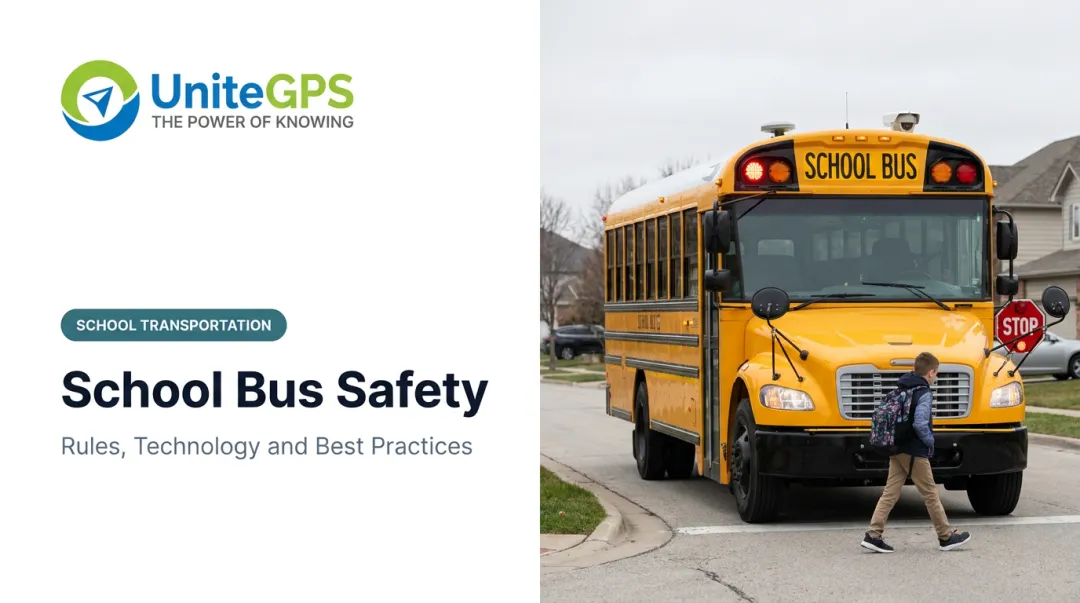
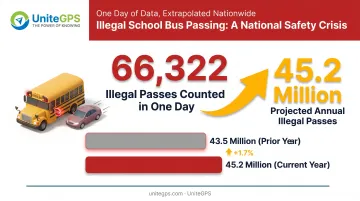
Illegal passing of stopped buses is the biggest culprit. A 2024 national survey found that on a single day, drivers in 35 states plus DC reported 66,322 illegal passes of stopped school buses. Extrapolated across a 180-day school year, that's more than 45.2 million illegal passes annually. That figure has actually risen from the prior year's projection of 43.5 million.
Typical scenario: A driver speeds past a stopped bus with flashing red lights and an extended stop arm while children are crossing the street.
Adverse Weather Conditions
Rain, fog, ice, and low visibility all increase stopping distances for heavy vehicles like buses. A fully loaded bus simply can't stop as fast as a sedan, and slick roads make that gap worse.
Typical scenario: An early morning route in dense fog or on an icy back road leads to a loss of vehicle control on a curve.
Mechanical Failures and Poor Maintenance
Brake failure, tire blowouts, and steering problems don't usually appear out of nowhere. They build up from delayed inspections or aging fleets that haven't been rotated out.
The NTSB has specifically recommended engine-compartment fire-suppression systems for buses after cases like a 2017 Iowa crash, where an engine fire spread quickly and neither the driver nor the sole student passenger could escape.
Typical scenario: Brakes overheat and fail while descending a long hill, or a tire blows during hard braking at an intersection.
Bus Driver Inexperience or Inadequate Training
Many districts face real driver shortages. Virginia reported 1,090 unfilled full-time driver positions out of over 10,000 required for the 2023-2024 school year (just under 11% vacant). Shortages like this create pressure to rush hiring and training, which isn't a great combination with a 40-foot vehicle full of kids.
Typical scenario: A newly hired driver misjudges the bus's length on a tight turn or narrow residential street.
Blind Spots and Turning Maneuvers
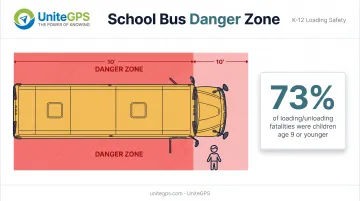
Large buses have significant blind spots, especially near the front bumper and along both sides. NHTSA guidance defines a 10-foot "danger zone" on each side of a stopped bus where a driver's visibility is limited.
Over a 53-year period, loading and unloading incidents accounted for 1,267 fatalities, and 73% of those victims were age 9 or younger.
Typical scenario: A young child crosses too close to the front of the bus and isn't visible to the driver during boarding.
What Happens When These Causes Go Unaddressed
Ignoring these root causes risks more than another crash. The financial hit compounds over time.
School bus insurance premiums have climbed to nearly twice pre-COVID levels after 25 consecutive quarters of increases. Some operators report 15-30% jumps in a single year, largely tied to litigation and large verdicts.
Unresolved patterns rarely stay quiet. Recurring near-misses and late buses tend to precede more serious incidents. Districts can often spot the risk before the next crash.
Warning Signs a District or Route May Be at Risk
- Frequent driver complaints about hard-to-see stops or intersections
- Rising parent complaints about late or erratic bus arrivals
- Buses overdue for scheduled maintenance or showing repeated minor mechanical issues
How to Prevent School Bus Accidents
Preventing school bus accidents takes driver accountability, vehicle upkeep, and real-time tracking working together.
Strengthen Driver Training and Screening
Ongoing defensive driving and fatigue-awareness training reduces crashes tied to distraction and inexperience. NHTSA's in-service curriculum covers adverse weather, student management, and emergency evacuation. Build it into onboarding and annual recertification rather than treating it as a one-time checkbox.
Maintain a Rigorous Vehicle Inspection Schedule
Daily pre-trip inspections plus scheduled preventive maintenance catch mechanical issues before they become road failures. Inspection rules vary by state. Pennsylvania requires an annual State Police inspection plus a semiannual safety check, while New York mandates inspections every six months.
Digital tools make this easier to enforce. UniteGPS's Crosswalk Tablet Suite lets drivers complete pre-trip and post-trip inspections electronically, attach photos of issues like cracked glass or worn tires, and route reports straight to mechanics. No paper forms lost in a glovebox.
Adopt Real-Time GPS Tracking and Route Monitoring
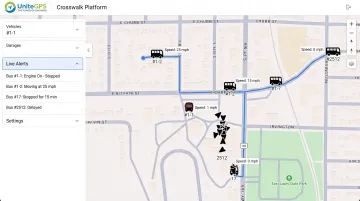
Live visibility is often where districts gain the most control. A platform like UniteGPS's Crosswalk system shows transportation teams bus location, speed, and route adherence so dispatchers can spot problems before they become incidents.
Specific capabilities include:
- Live GPS tracking with location updates every 5 seconds
- Speeding alerts when a vehicle exceeds the posted speed limit
- Route-deviation detection, with a timeline slider to review exactly what happened and when
- Idle monitoring and geofence alerts for broader operational visibility
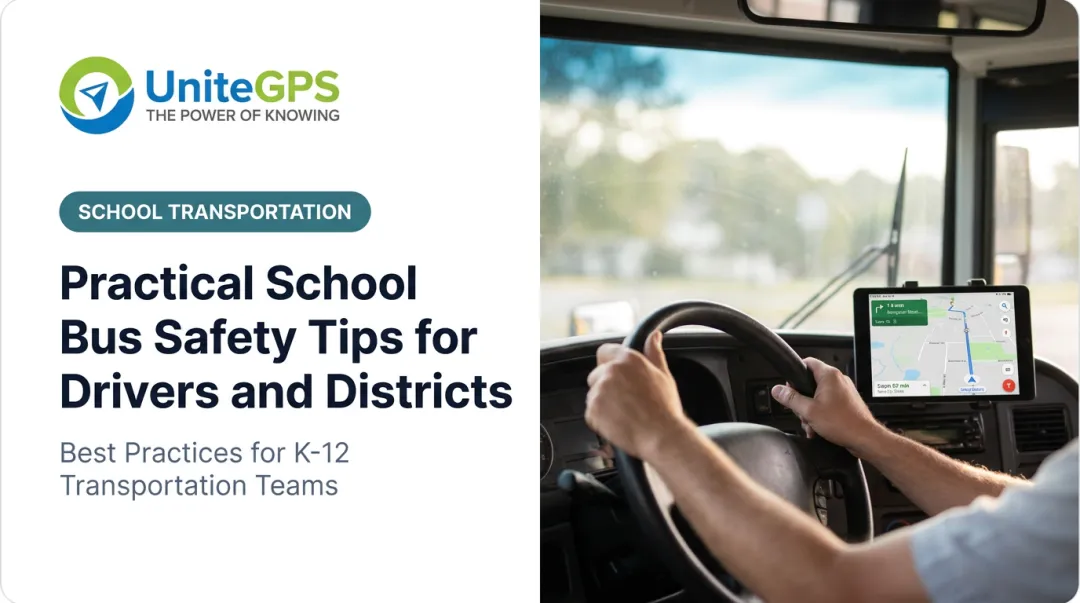
This also solves a quieter problem: substitute driver risk. Crosswalk's turn-by-turn guidance shows the full route, stop order, and student information on an in-vehicle tablet, so a substitute isn't relying on memory or a hastily scribbled paper map for an unfamiliar route.
Improve Communication Around Weather and Road Conditions
Clear protocols for delaying or adjusting routes in severe weather let drivers slow down or reroute instead of pushing through unsafe conditions.
Automated parent notifications about delays or route changes help as well. When families already know a delay is coming, drivers feel less pressure to "just get there."
Tips for Long-Term Prevention and Control
Beyond immediate fixes, districts that stay ahead of risk build these habits into their operations:
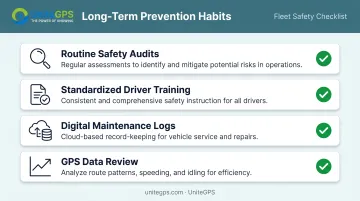
- Conduct routine safety audits of high-risk stops and intersections
- Standardize driver conduct rules and refresh training annually
- Keep digital maintenance and inspection logs for accountability
- Review ridership and GPS data over time to spot recurring risk patterns on specific routes
Conclusion
School bus accidents have identifiable, addressable causes. Distraction, illegal passing, weather, mechanical failure, inexperience, and blind spots each leave a trail, and each responds to specific prevention measures.
Combining trained drivers, well-maintained fleets, and modern tracking tools lowers risk significantly and builds the trust parents expect when they hand their kids over each morning. Districts that treat prevention as an ongoing investment, not a one-time fix, cut preventable incidents before they reach the route.
Frequently Asked Questions
What are the most common causes of school bus accidents?
Driver negligence or distraction, illegal passing by other motorists, adverse weather, and mechanical failure are the leading causes. Blind spots during loading and unloading also contribute significantly, especially for younger children.
Are school buses safer than other vehicles for transporting children?
Yes. NHTSA research has found students are far safer riding a school bus than traveling in a passenger car. The NTSB also ranks school buses among the safest vehicles on the road.
Who is liable when a school bus accident occurs?
Liability depends on the cause and can fall on the driver, the school district, a contracted bus company, or another motorist. Tort law and district immunity rules vary significantly by state.
How can technology help prevent school bus accidents?
GPS tracking and route monitoring let dispatchers spot speeding, route deviations, and unsafe driving patterns in real time. This allows staff to intervene early and gives substitute drivers reliable turn-by-turn guidance on unfamiliar routes.
What should a parent do if their child is involved in a school bus accident?
Seek medical attention immediately, even for seemingly minor injuries. Document the scene with photos if possible, and contact both the school district's transportation office and local authorities to file a report.
How often should school buses be inspected for safety?
Daily pre-trip inspections are standard practice, combined with scheduled preventive maintenance. Beyond that, requirements vary by state — some mandate inspections every six months, while others require annual checks plus a semiannual safety review.